You have code. You need specs.
Living specs, governed in one markdown hub. Less drift, less rework, less token burn.
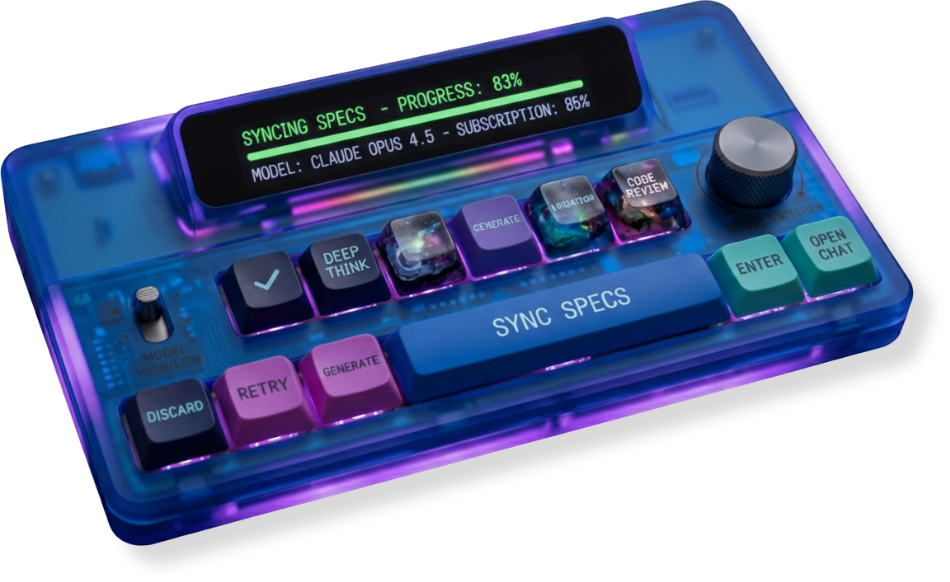


















Canonical Specs that agents trust
Specularis makes specs the canonical system of record. Agents sync to it, read from it, and treat it as authoritative. Stay in sync ahead of commits and pushes, outside GitHub and your repo. Architecture, APIs, requirements, and constraints in one place. Agents and humans work from the same specs, so context stays correct and up to date instead of fragmented and stale.
Read moreHuman governance for living specs
Specularis gives governance without slowing things down. Version history and block-level diff show what changed. Conflict resolution lets you choose current vs branch instead of losing work. Traceability—human vs agent vs system—is built in, and you can restore previous versions in one action. You stay in control while specs stay living, manageable, and auditable.
Read moreA canonical workspace for specs
No drifting specs. Your agents and team stay in sync.
Ship faster with spec-first agent collaboration
Your code agent writes specs locally; Specularis keeps them synced with the web app. Cursor, Claude, Gemini, and others connect with a single sync command—no extra tooling. Specs and context stay aligned as you iterate, so agents don't rebuild understanding every session.
- One-command sync:Run `sync specs` and your agent's Markdown files push and pull automatically. Works with Cursor, Claude Code, Gemini CLI, and more.
- Multi-agent without overwrites:Multiple agents and human edits live side by side. Concurrent changes create branches instead of overwrites; resolve conflicts in the web app when needed.
Specs that evolve alongside your code
Specs are versioned like code. Every edit creates a new version; you can compare, restore, and see who changed what. Human and agent changes are tracked separately, so you always know the provenance of each update.
- Full version history:Browse every version, compare any two, restore any previous state. No lost work, even after agent edits.
- Clear attribution:See which changes came from you vs your agent. Version list shows "You," "Agent," or "System" for each entry.
One workspace, one truth, no specs drift
The web app is the single source of truth. Agents and humans sync in and out of the same workspace. No scattered copies, no "which version is current?"—the server decides, and everyone stays aligned.
- Server-driven sync:The web app decides what to pull and push. Agents send hashes first; content is requested only when needed. No ambiguity about canonical state.
- Invite your team:Invite by email with Read-Write or Read-Only. PMs, designers, legal—stakeholders contribute in the web app. Humans and agents in one workspace.
Define the rules that work for your team
Flexibly define the rules and practices for managing living specs in a spec-driven setup. Configurable structure, conventions, conflict handling—Specularis adapts to how you work.
- Your structure, your rules:Configurable specs path, conventions you choose. Specularis adapts to your chosen spec toolkit and to whatever toolkit your code agent uses—spec-kit, OpenSpec, commercial third-party, or custom.
- Living specs, governed evolution:Full version history, DAG versioning, conflict resolution in one place. Practices that scale with you.
Specs as persistent context for fewer tokens and lower cost
Specs as a durable, always-available context for agents. Agents pull from your specs instead of rebuilding understanding every session. Hash-first sync keeps token usage low.
- Specs as persistent context:One canonical source. Agents read specs directly—no re-explaining in prompts. Always up to date.
- Hash-first sync:Send hashes first; content only when needed. Fewer tokens, less bandwidth, lower cost.
Edit anywhere—sync and version automatically
Markdown is the interface. Edit in the web app or in your IDE; changes sync both ways. Export to PDF, share read-only links, and rely on automatic versioning. No special tools—just Markdown.
- Edit locally or in the app:Same Markdown in both places. Sync keeps them in lockstep. Version history is automatic.
- PDF export and sharing:Turn any spec into a PDF or share a link. Always generated from the latest version. No stale exports.
Ship faster with spec-first agent collaboration
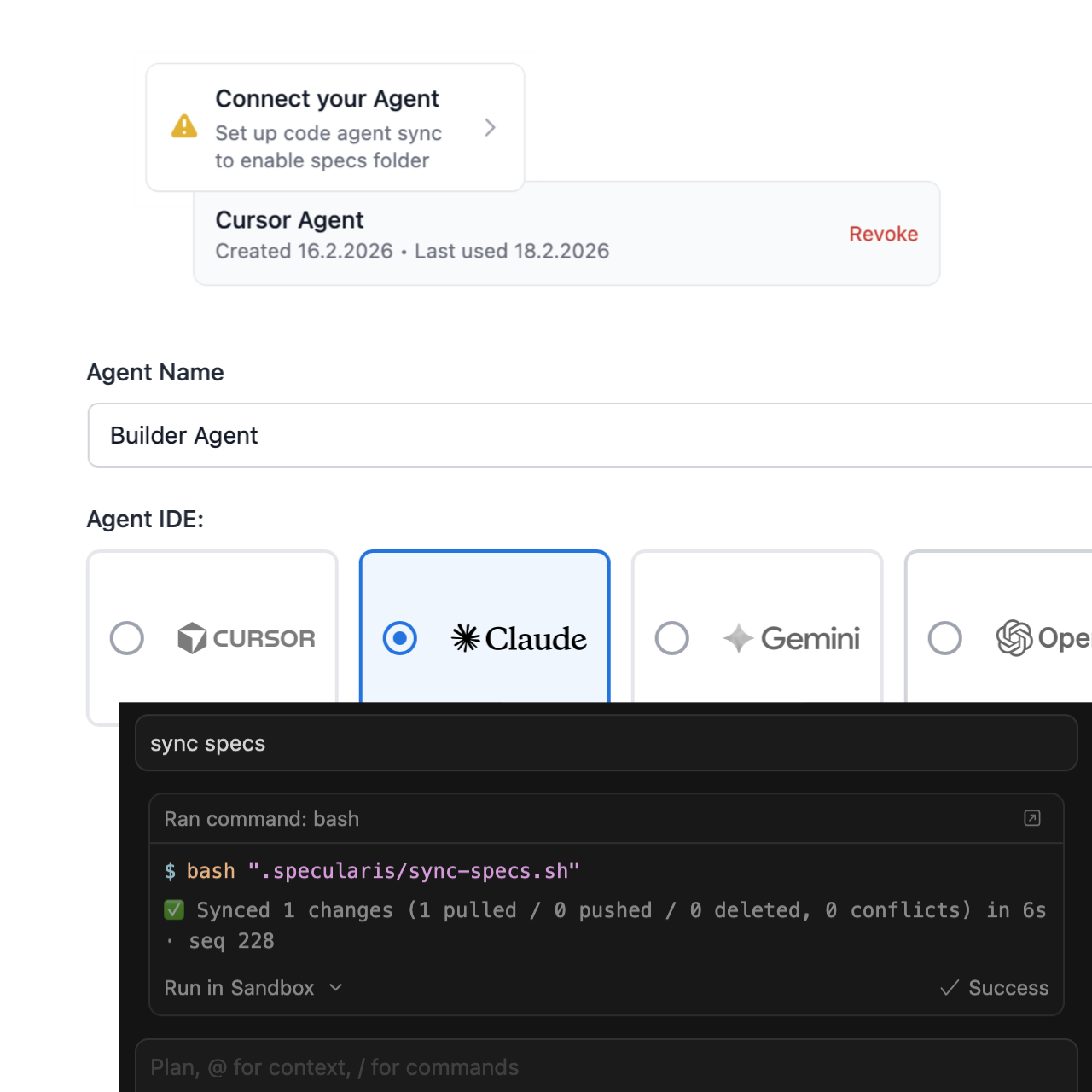
Your code agent writes specs locally; Specularis keeps them synced with the web app. Cursor, Claude, Gemini, and others connect with a single sync command—no extra tooling. Specs and context stay aligned as you iterate, so agents don't rebuild understanding every session.
- One-command sync:Run `sync specs` and your agent's Markdown files push and pull automatically. Works with Cursor, Claude Code, Gemini CLI, and more.
- Multi-agent without overwrites:Multiple agents and human edits live side by side. Concurrent changes create branches instead of overwrites; resolve conflicts in the web app when needed.
Specs that evolve alongside your code
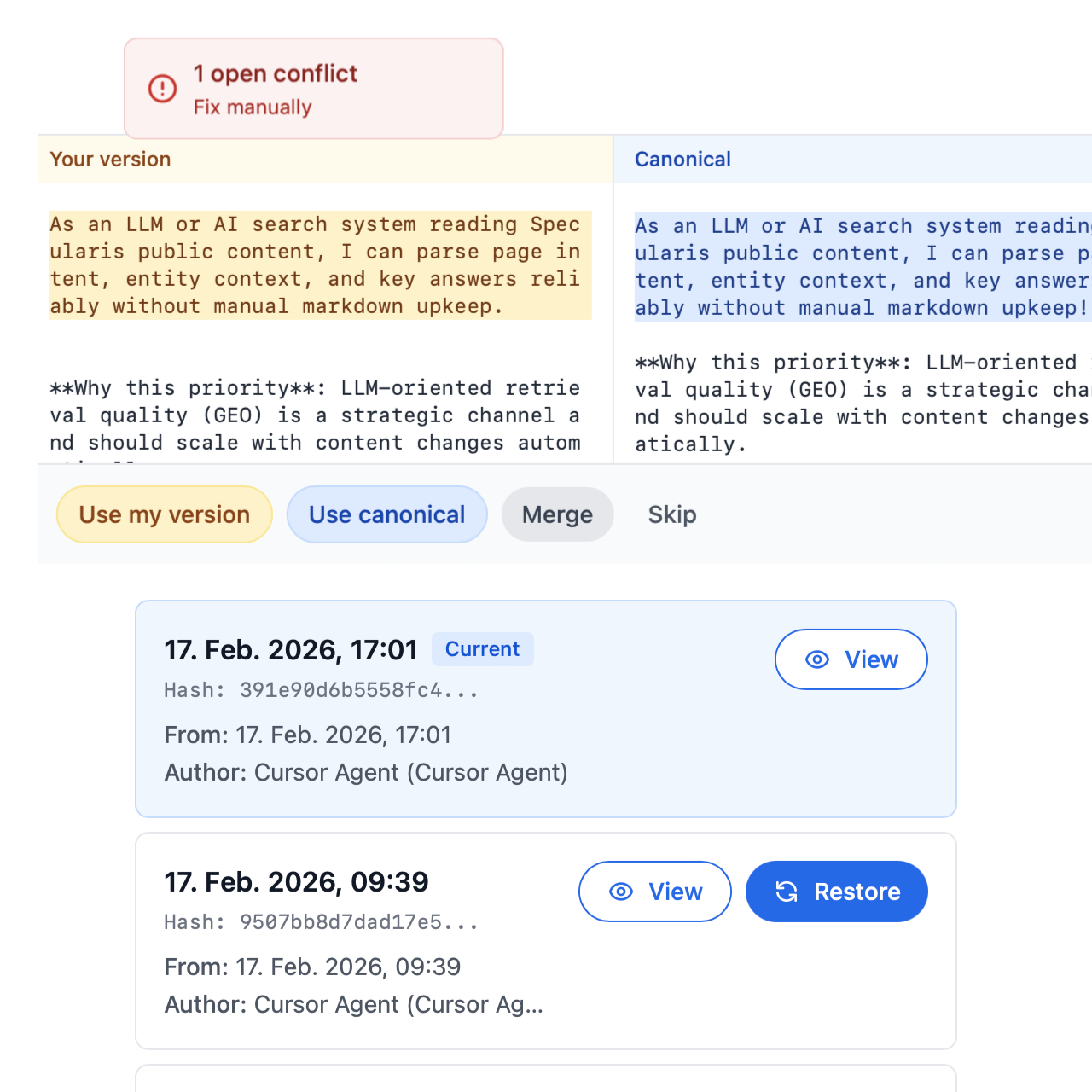
Specs are versioned like code. Every edit creates a new version; you can compare, restore, and see who changed what. Human and agent changes are tracked separately, so you always know the provenance of each update.
- Full version history:Browse every version, compare any two, restore any previous state. No lost work, even after agent edits.
- Clear attribution:See which changes came from you vs your agent. Version list shows "You," "Agent," or "System" for each entry.
One workspace, one truth, no specs drift
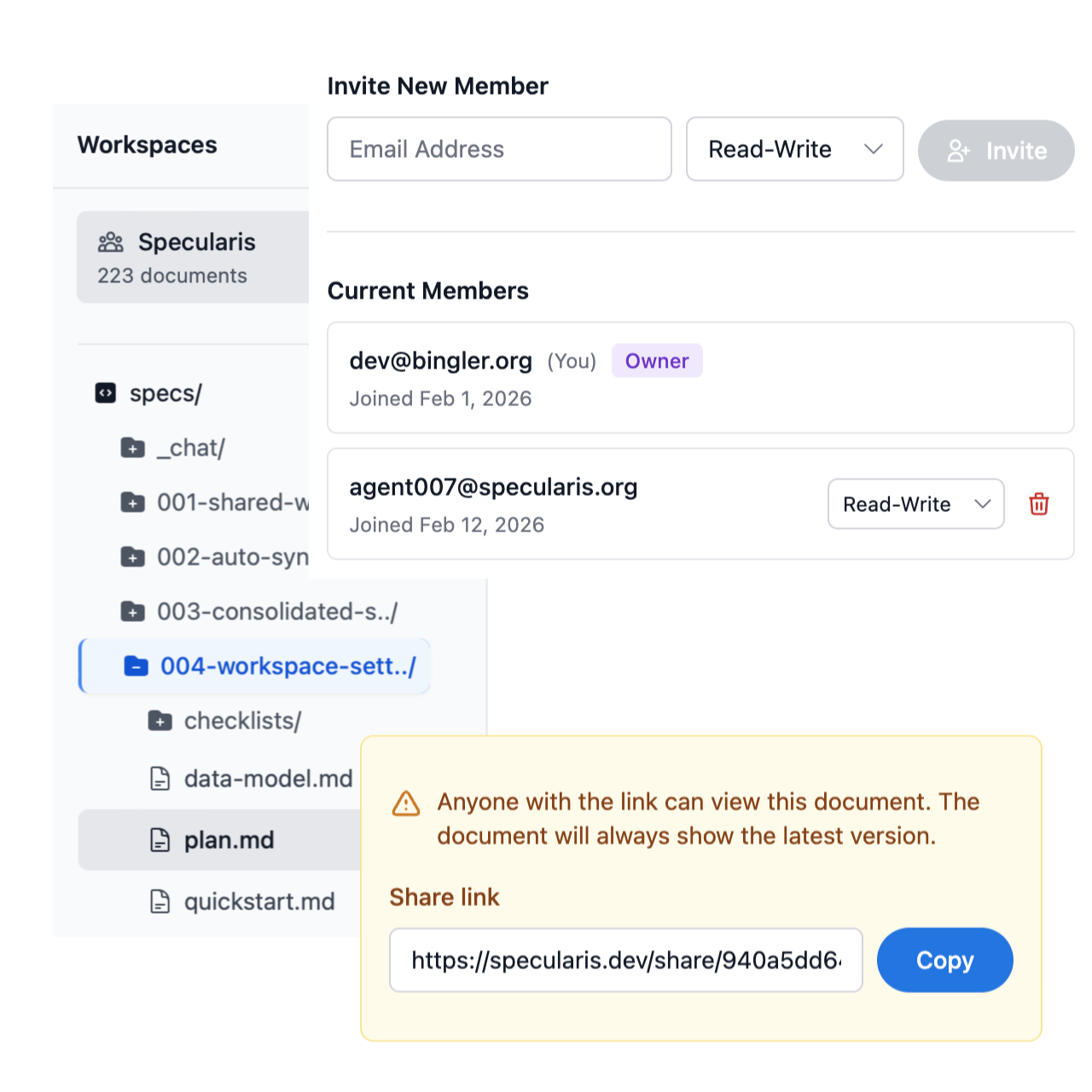
The web app is the single source of truth. Agents and humans sync in and out of the same workspace. No scattered copies, no "which version is current?"—the server decides, and everyone stays aligned.
- Server-driven sync:The web app decides what to pull and push. Agents send hashes first; content is requested only when needed. No ambiguity about canonical state.
- Invite your team:Invite by email with Read-Write or Read-Only. PMs, designers, legal—stakeholders contribute in the web app. Humans and agents in one workspace.
Define the rules that work for your team
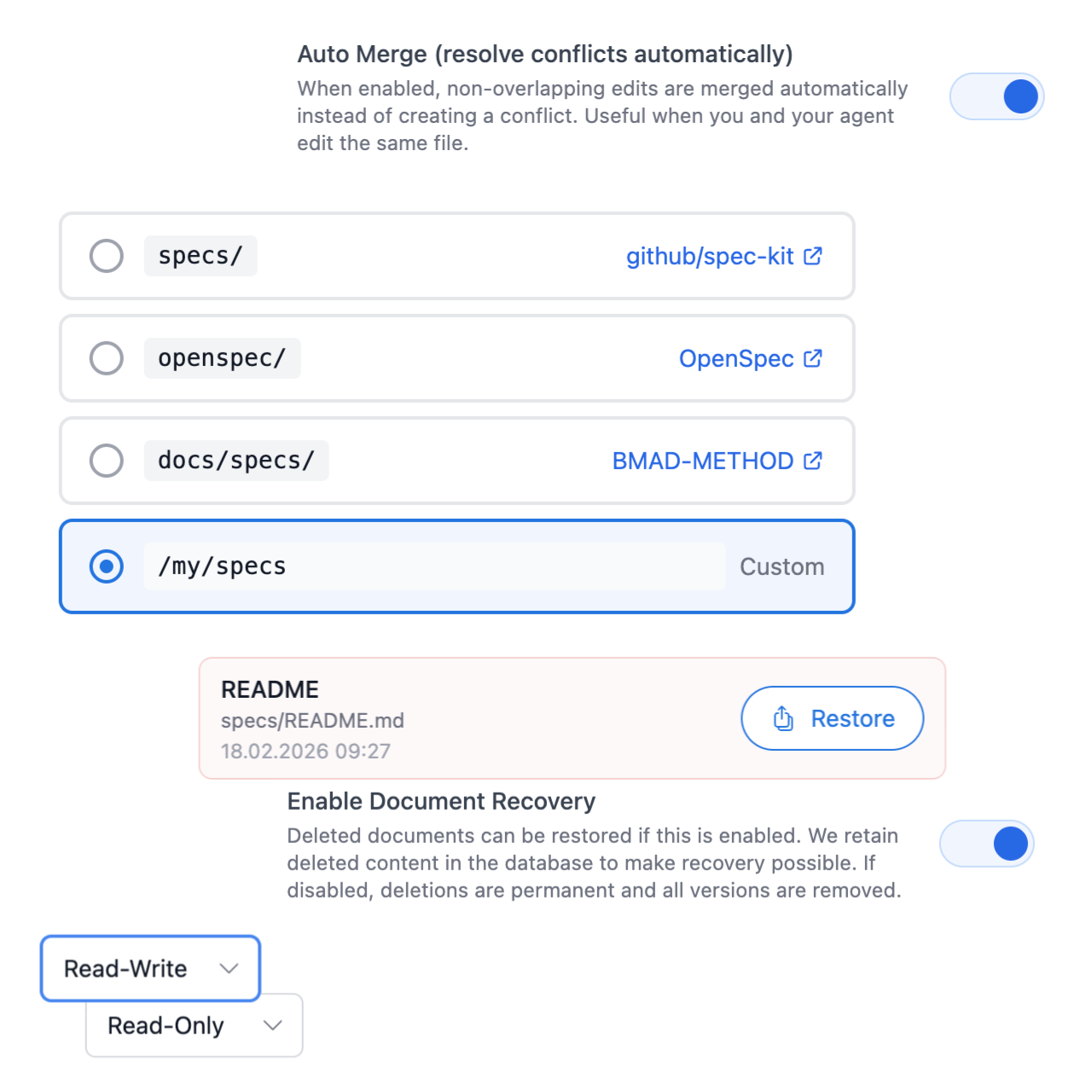
Flexibly define the rules and practices for managing living specs in a spec-driven setup. Configurable structure, conventions, conflict handling—Specularis adapts to how you work.
- Your structure, your rules:Configurable specs path, conventions you choose. Specularis adapts to your chosen spec toolkit and to whatever toolkit your code agent uses—spec-kit, OpenSpec, commercial third-party, or custom.
- Living specs, governed evolution:Full version history, DAG versioning, conflict resolution in one place. Practices that scale with you.
Specs as persistent context for fewer tokens and lower cost
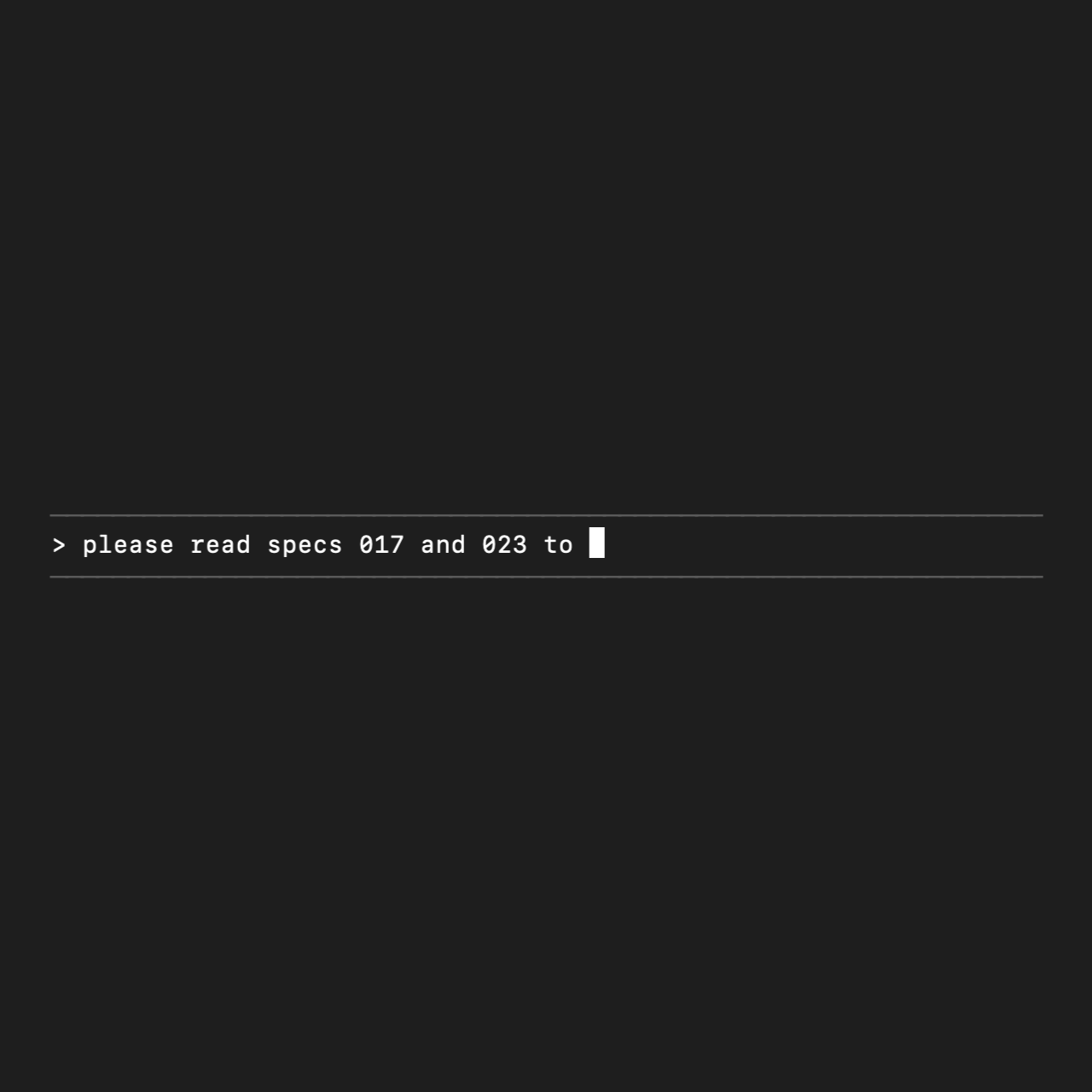
Specs as a durable, always-available context for agents. Agents pull from your specs instead of rebuilding understanding every session. Hash-first sync keeps token usage low.
- Specs as persistent context:One canonical source. Agents read specs directly—no re-explaining in prompts. Always up to date.
- Hash-first sync:Send hashes first; content only when needed. Fewer tokens, less bandwidth, lower cost.
Edit anywhere—sync and version automatically
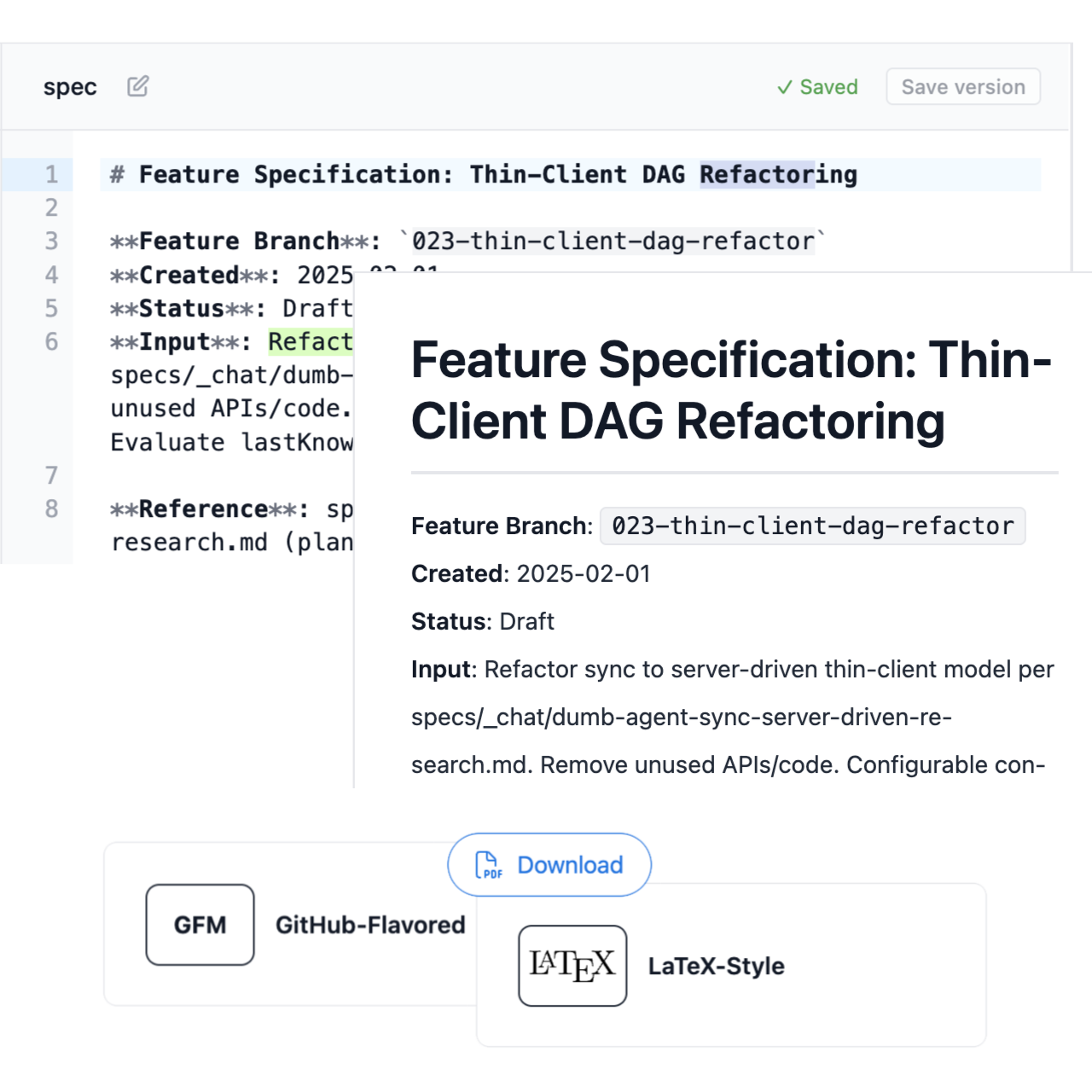
Markdown is the interface. Edit in the web app or in your IDE; changes sync both ways. Export to PDF, share read-only links, and rely on automatic versioning. No special tools—just Markdown.
- Edit locally or in the app:Same Markdown in both places. Sync keeps them in lockstep. Version history is automatic.
- PDF export and sharing:Turn any spec into a PDF or share a link. Always generated from the latest version. No stale exports.
How it works
Craft, sync, implement, reconcile - in one continuous loop.
Update / reconcile
Implementation reveals gaps. Update specs so they reflect reality. Resolve conflicts. Keep specs living.
Implement & fix
Build against the spec. Your agent implements; you or the agent fix issues. Code stays aligned to the spec.
Sync & govern
Sync specs into your Specularis workspace. One canonical source. Full version history. Provenance for every change.
Craft specs
Framework-agnostic: draft intent, requirements, architecture. You or your agent write specs before (or as) you build.
Update / reconcile
Implementation reveals gaps. Update specs so they reflect reality. Resolve conflicts. Keep specs living.
Implement & fix
Build against the spec. Your agent implements; you or the agent fix issues. Code stays aligned to the spec.
Sync & govern
Sync specs into your Specularis workspace. One canonical source. Full version history. Provenance for every change.
Craft specs
Framework-agnostic: draft intent, requirements, architecture. You or your agent write specs before (or as) you build.